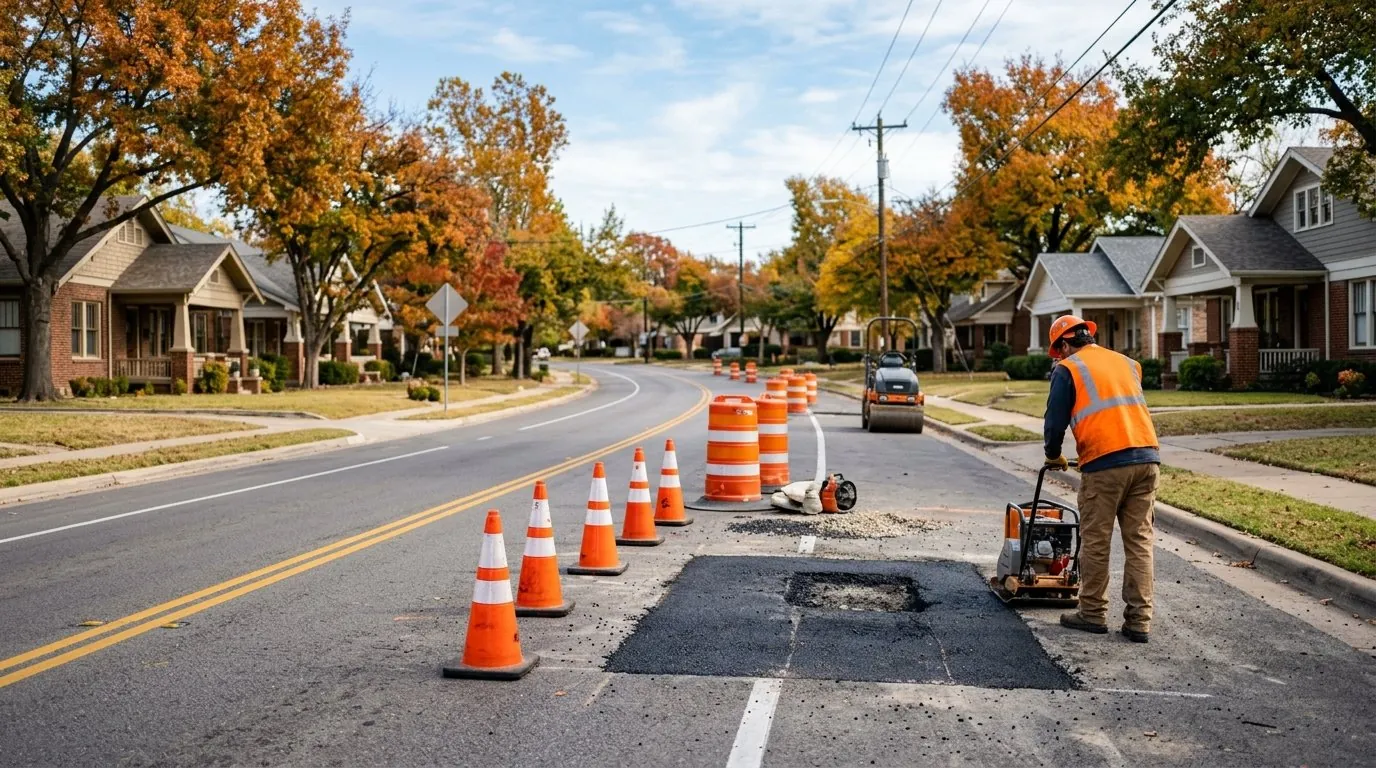
Potholes and construction zones are wrecking suspensions across McKinney. Learn the warning signs and why suspension and strut repair matters now for safety.
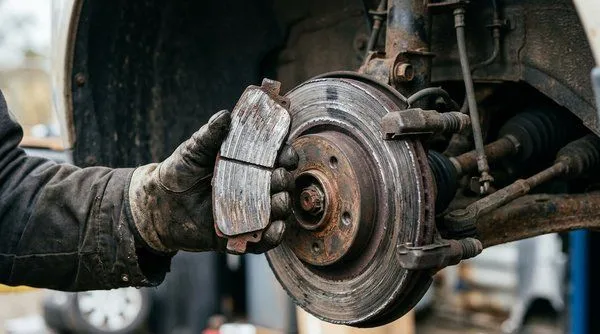
Brake repair in McKinney is more critical than ever in 2026. Learn the warning signs, local risks, and why proactive service saves lives and money.
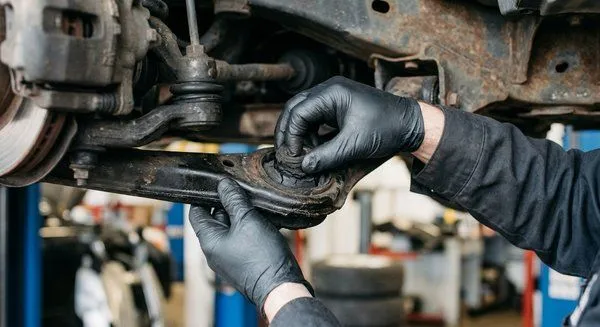
Before buying a used car in McKinney, get a pre-purchase inspection. Learn what it uncovers, why it matters in 2026, and how mobile PPIs save you money.
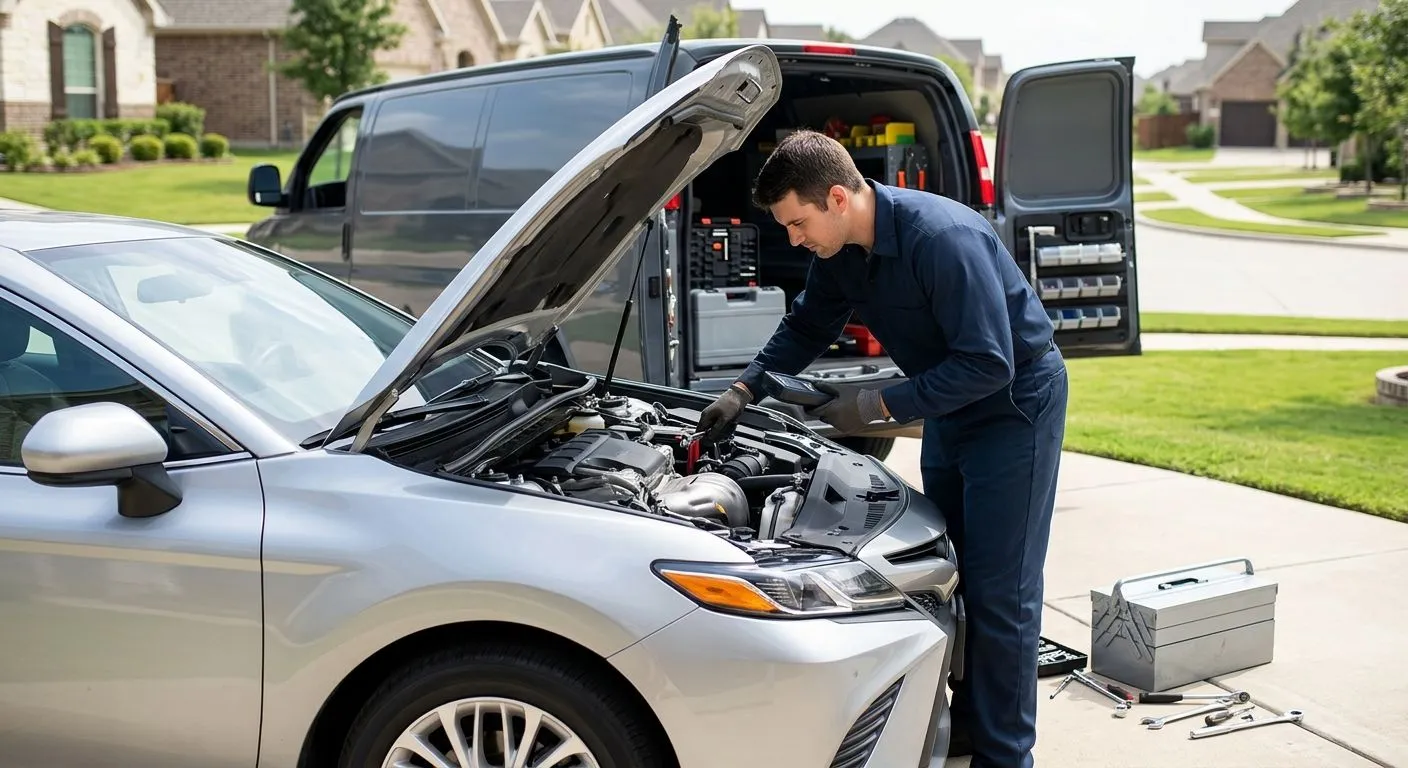
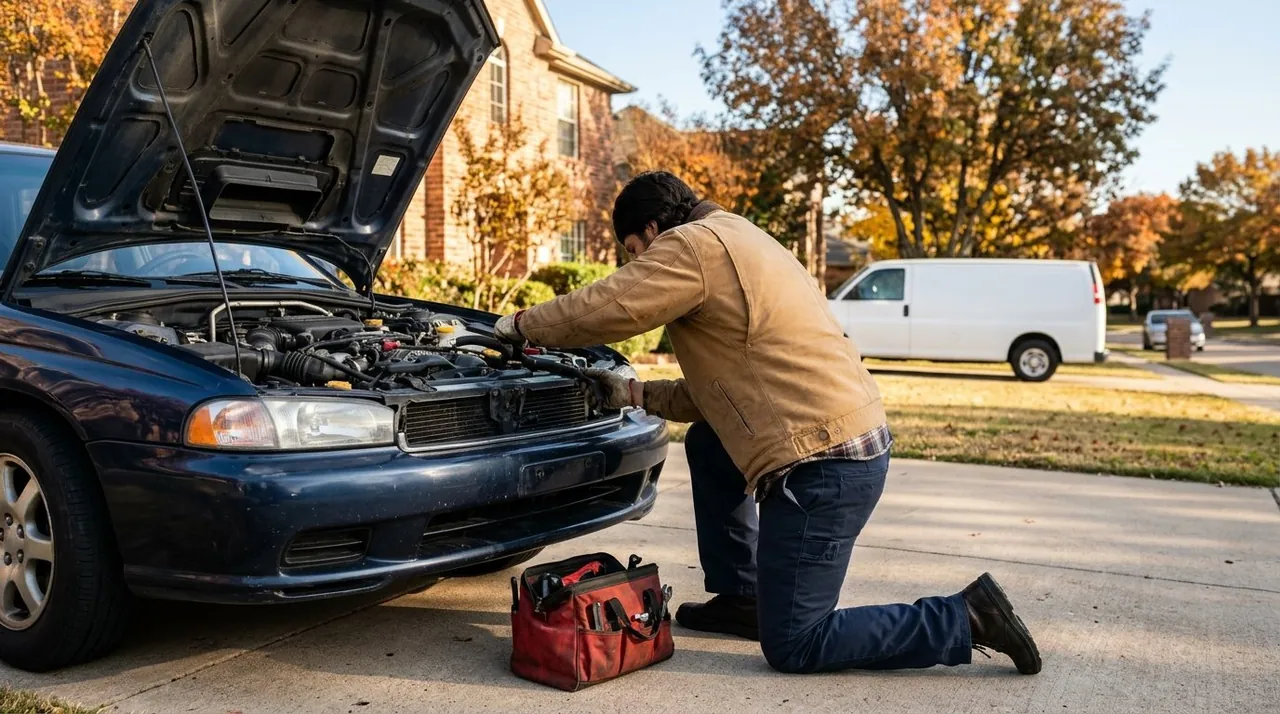
Discover why McKinney, TX vehicle owners are switching to mobile mechanic services. Learn how the North Texas used car market makes auto repair a smart choice.
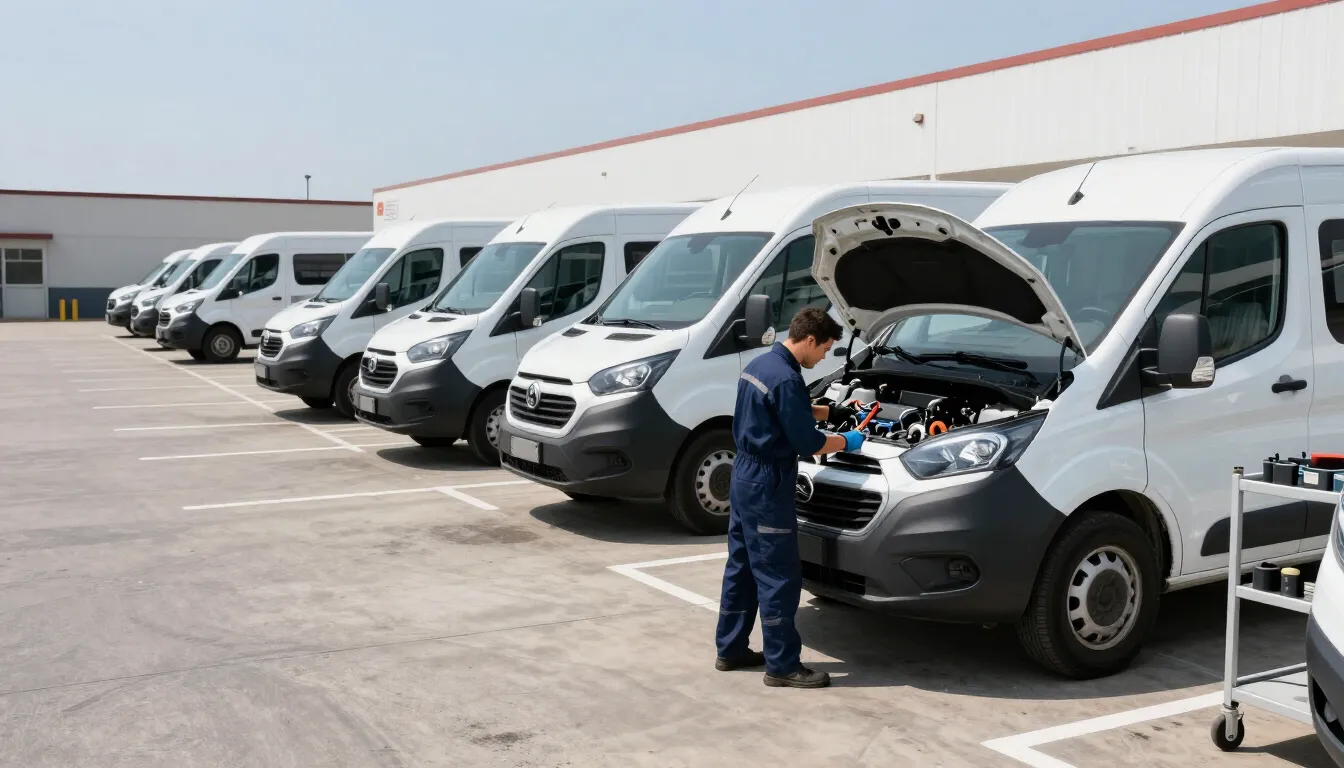
Keep your vehicles working with mobile fleet repair in DFW. Learn how fleet service helps growing businesses save time, reduce downtime, and stay on schedule.
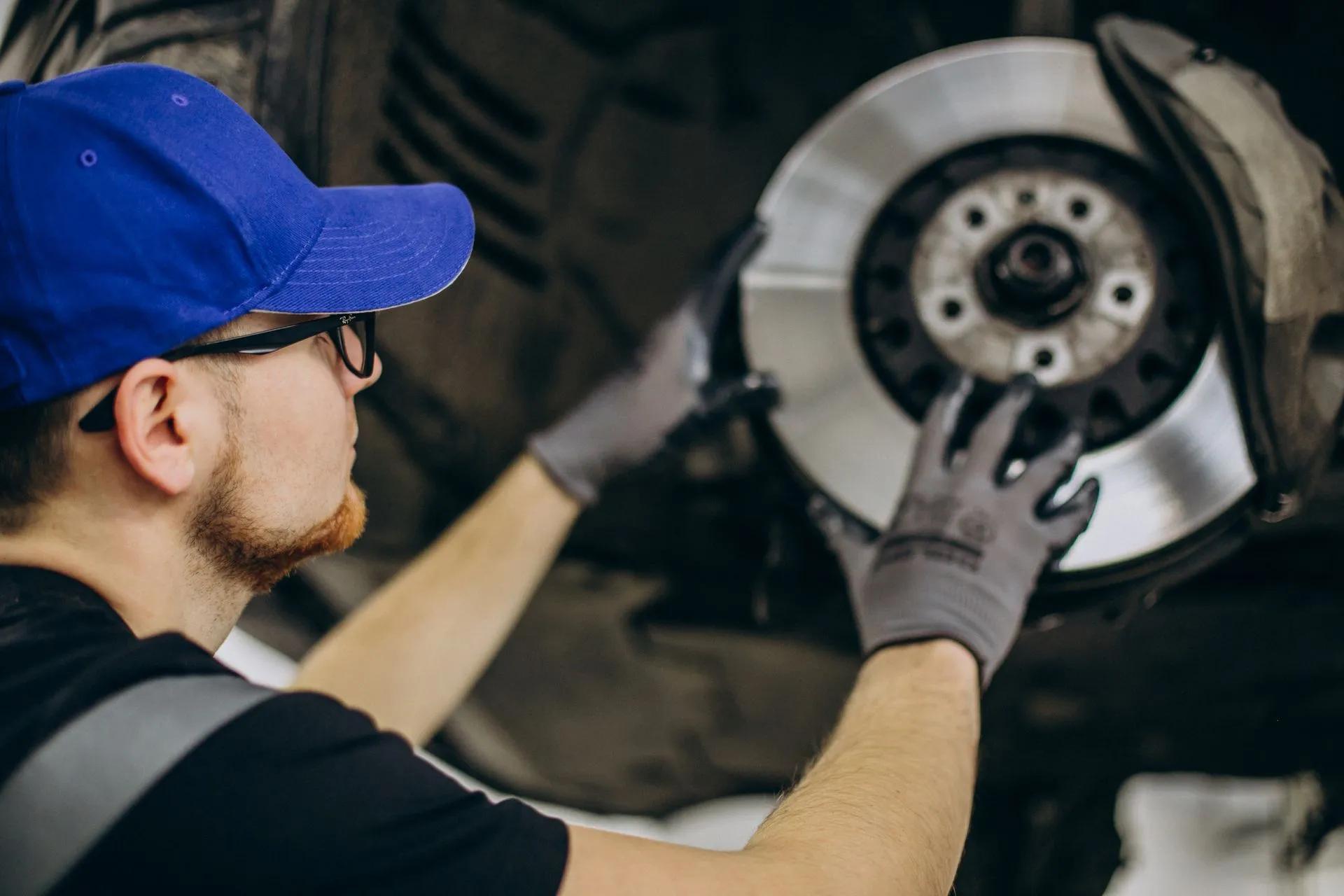
Need a mobile brake repair DFW drivers trust? Underdog Automotive provides reliable brake repair services in McKinney, Celina, Melissa, and Anna!
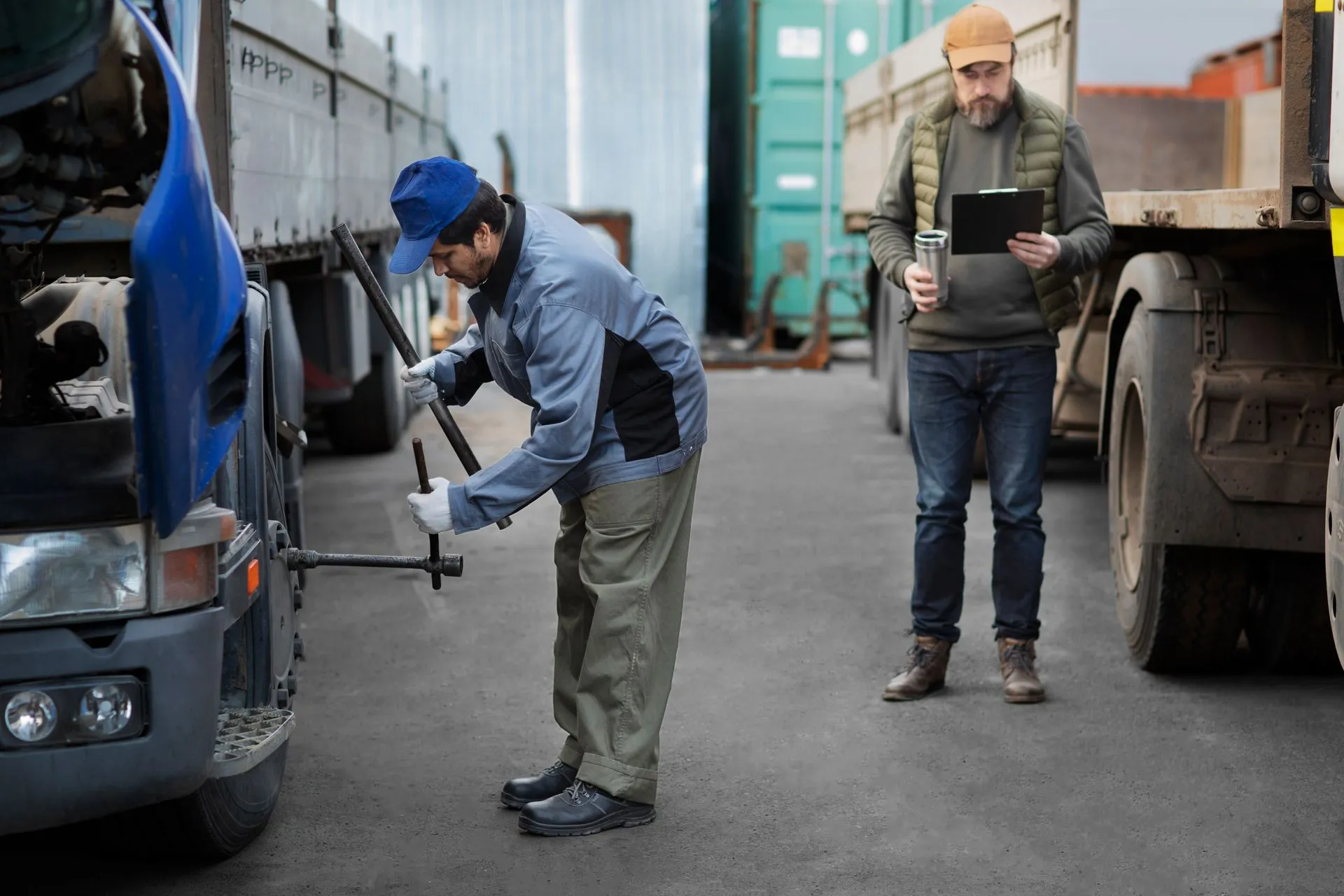
Maximize uptime for your Northern Dallas business with Underdog Automotive LLC. We provide expert fleet maintenance and repair on site. Call (469) 905-2102 today!
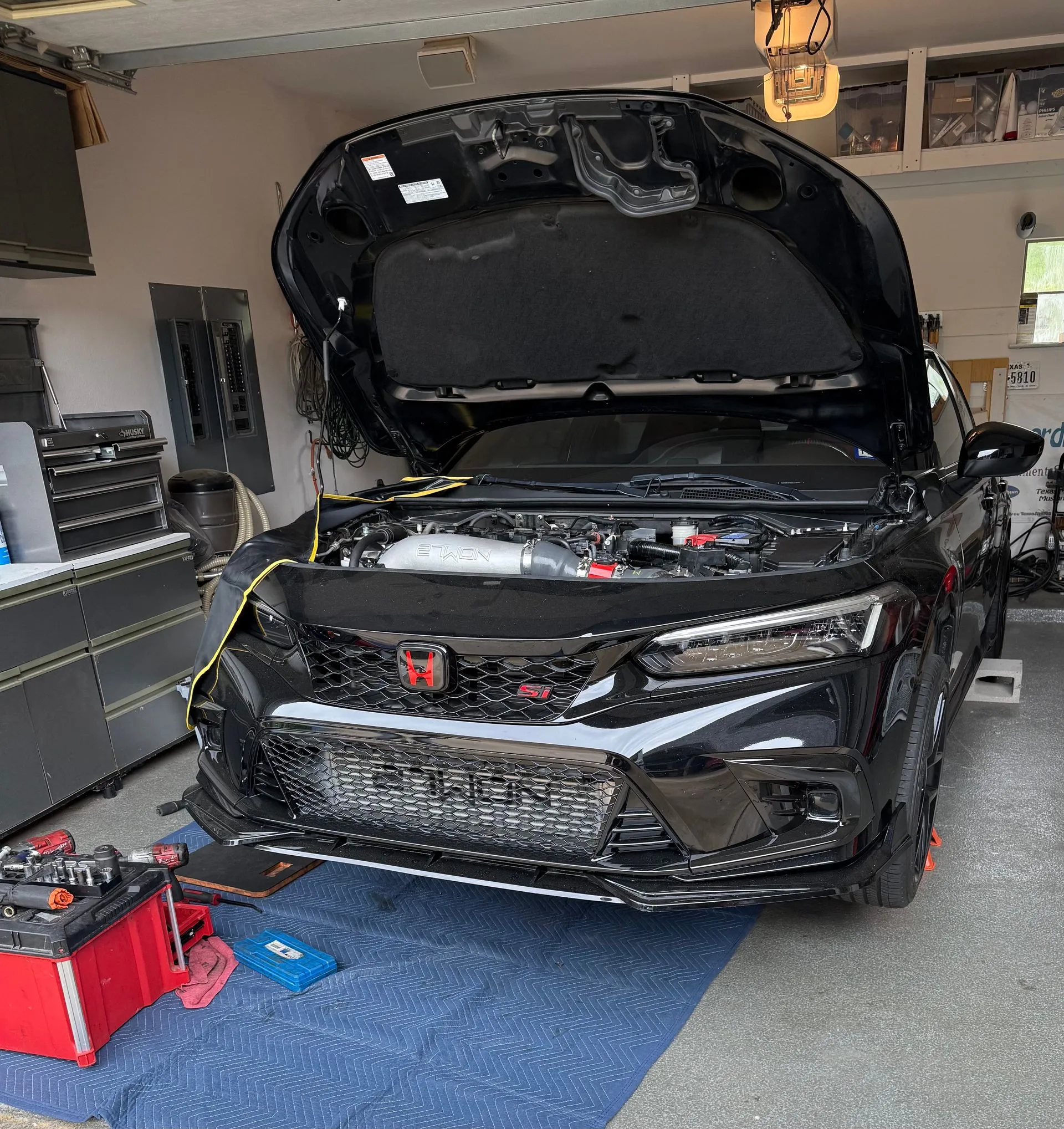
Learn what full-service auto repair really means in DFW. Discover mobile auto repair and service benefits with Underdog Automotive LLC serving Northern Dallas.
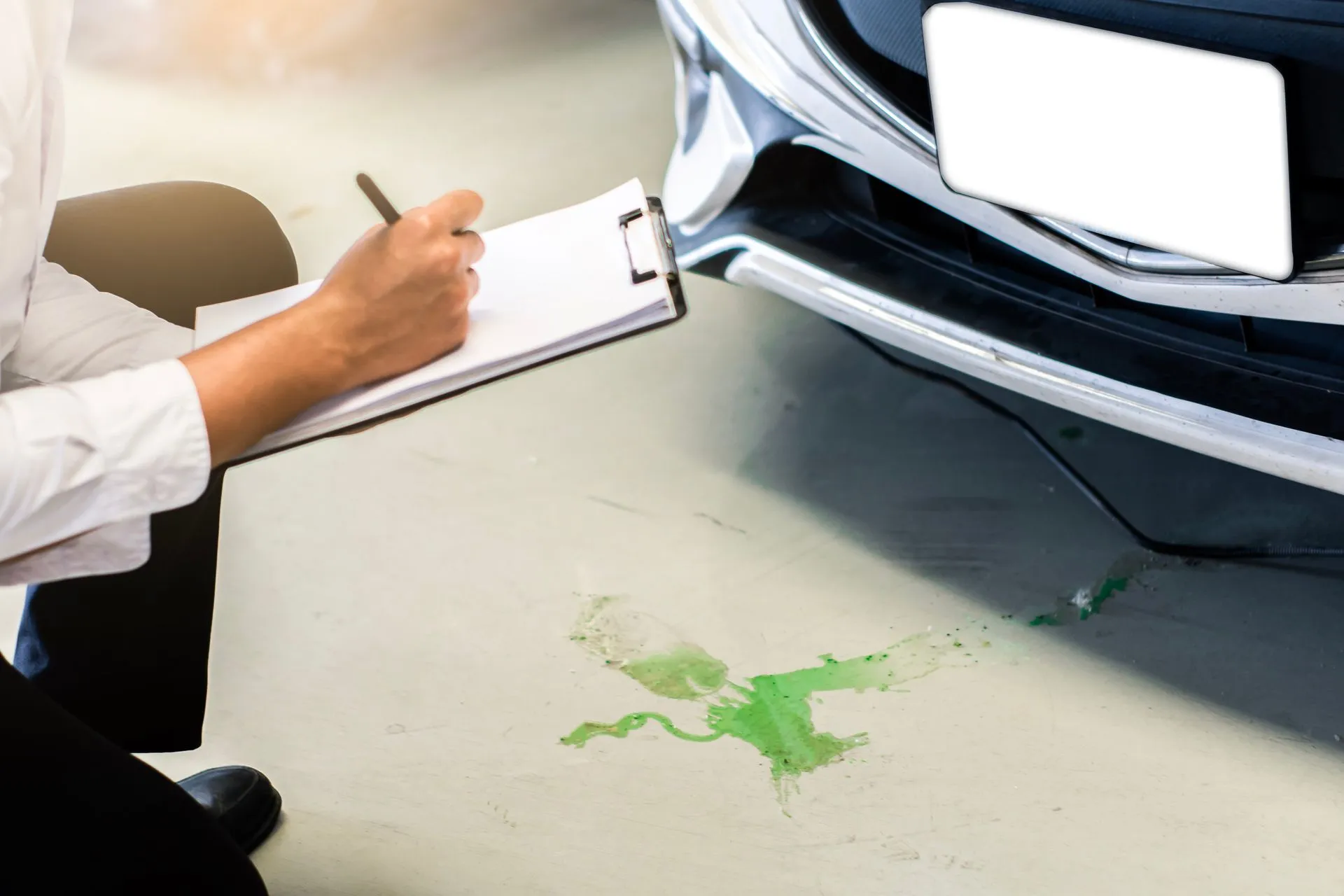
Coolant leak repair in DFW made easy. Learn common causes, warning signs, and how Underdog Automotive LLC fixes coolant leaks across Northern Dallas.
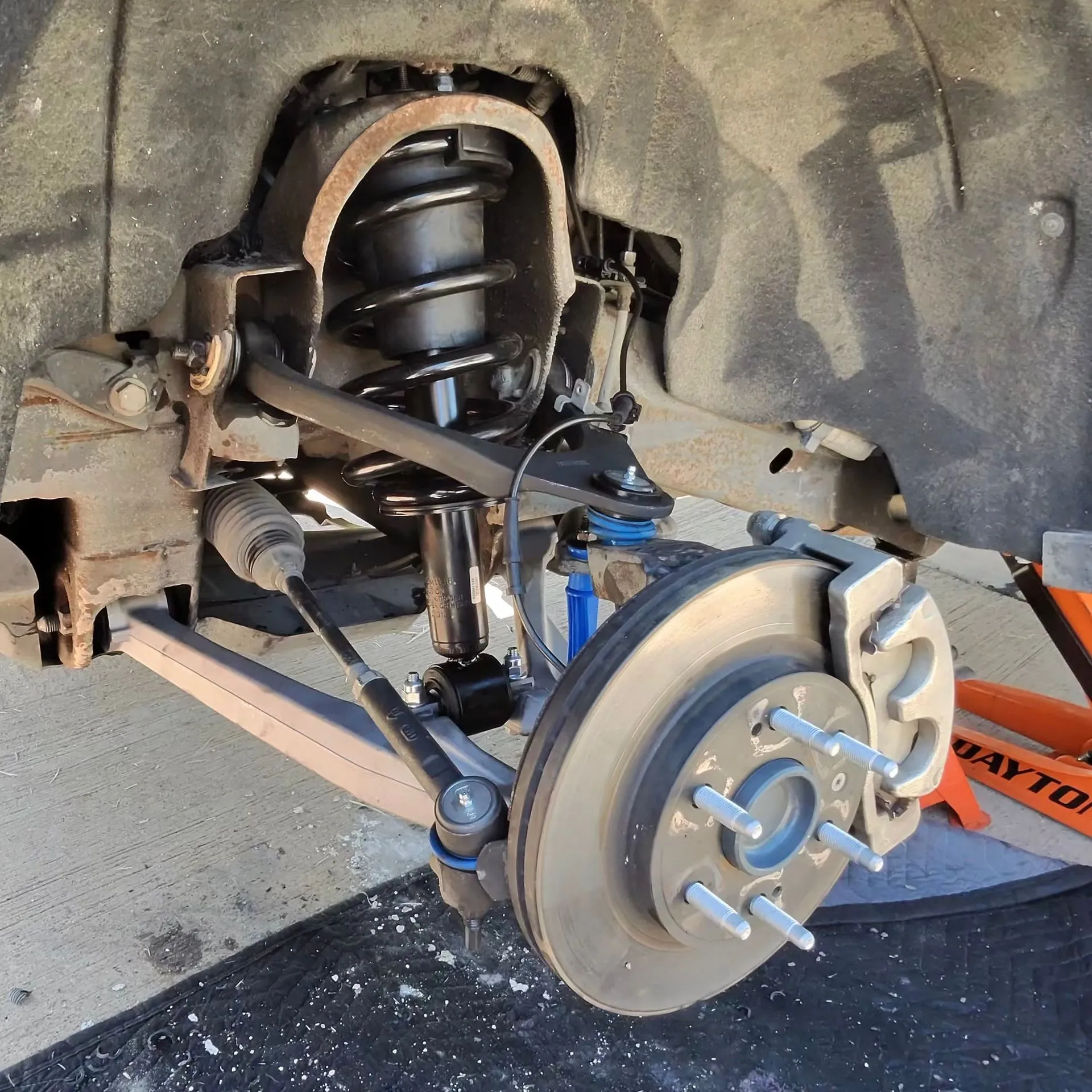
Learn how suspension problems impact vehicle safety in DFW traffic and when to schedule suspension repair with Underdog Automotive LLC in Northern Dallas!
Potholes and construction zones are wrecking suspensions across McKinney. Learn the warning signs and why suspension and strut repair matters now for safety.
Brake repair in McKinney is more critical than ever in 2026. Learn the warning signs, local risks, and why proactive service saves lives and money.
Before buying a used car in McKinney, get a pre-purchase inspection. Learn what it uncovers, why it matters in 2026, and how mobile PPIs save you money.
Discover why McKinney, TX vehicle owners are switching to mobile mechanic services. Learn how the North Texas used car market makes auto repair a smart choice.
Keep your vehicles working with mobile fleet repair in DFW. Learn how fleet service helps growing businesses save time, reduce downtime, and stay on schedule.
Need a mobile brake repair DFW drivers trust? Underdog Automotive provides reliable brake repair services in McKinney, Celina, Melissa, and Anna!
Maximize uptime for your Northern Dallas business with Underdog Automotive LLC. We provide expert fleet maintenance and repair on site. Call (469) 905-2102 today!
Learn what full-service auto repair really means in DFW. Discover mobile auto repair and service benefits with Underdog Automotive LLC serving Northern Dallas.
Coolant leak repair in DFW made easy. Learn common causes, warning signs, and how Underdog Automotive LLC fixes coolant leaks across Northern Dallas.
Learn how suspension problems impact vehicle safety in DFW traffic and when to schedule suspension repair with Underdog Automotive LLC in Northern Dallas!